
PENNSYLVANIA PROPERTY OWNER GUIDES · OCTOBER 2026
A property can need extensive work and still have real value. The key question is whether spending money on repairs will actually increase what you keep after selling.
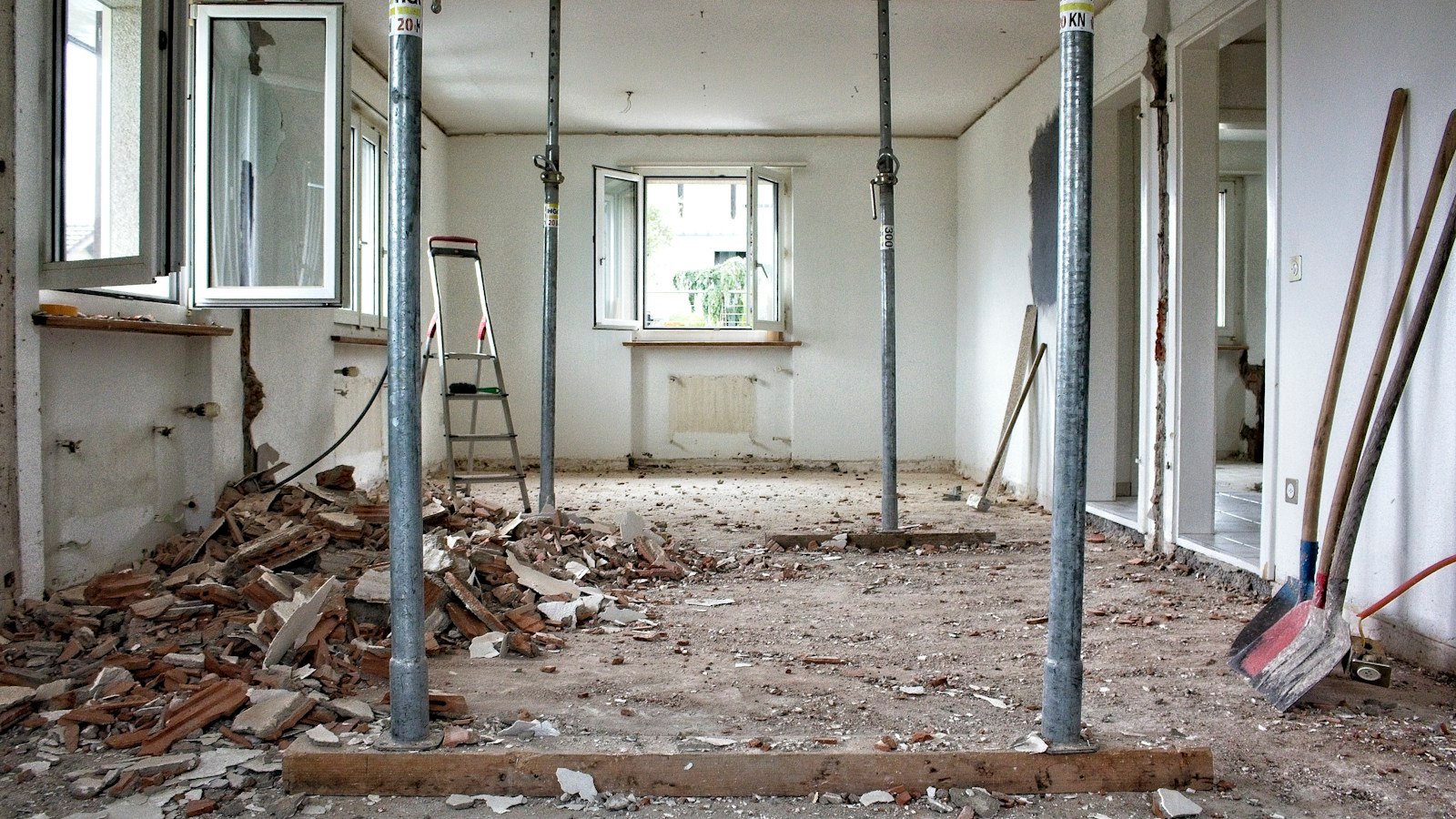
- What qualifies as a house needing major repairs?
- Why renovation costs can spiral
- Three common ways to sell a fixer-upper
- As-is does not mean no disclosures
- How to estimate a realistic as-is value
- What should sellers photograph before requesting a review?
- A simple net proceeds comparison
- How VenturePeak approaches as-is inquiries
What qualifies as a house needing major repairs?
Common problem areas include roofs near the end of their useful lives, outdated electrical systems, older plumbing, moisture in basements, cracked walls, foundation movement, failing heating equipment, damaged floors, and deferred exterior maintenance. Some conditions are mainly cosmetic; others may affect safety, financing, or insurability.
Start by separating visible cosmetic work from problems that need specialist evaluation. A stained ceiling could reflect an old leak or an active roof failure. Peeling paint could be cosmetic or raise lead-paint concerns in an older property. The more uncertain the scope, the more important it is not to guess at a repair number.
Why renovation costs can spiral
Renovation budgets rarely begin and end with the contractor’s first estimate. Older Pennsylvania houses may conceal outdated wiring, deteriorated drain lines, water penetration behind walls, structural changes made without documentation, or issues discovered during demolition. Permit requirements and availability of trades can also affect the schedule.
Even when the cost of improvements appears manageable, add carrying costs: taxes, utilities, insurance, borrowing expenses, cleanup, and the time you spend managing the work. If the property is empty, delays can create additional security and maintenance risks.
Three common ways to sell a fixer-upper
List without making major repairs. A traditional market listing can reach buyers interested in renovation, investors, and owner-occupants with appropriate financing. You may receive fewer financed offers if significant condition issues exist.
Complete selected repairs. Repairing safety items or fixing a known problem may broaden the buyer pool, but only after the numbers support it.
Consider a direct as-is purchaser. This can reduce the work required before selling, but direct investors generally evaluate renovation costs and risk when deciding what to offer.
There is no universally best option. An accurate comparison should use estimated net proceeds, expected time, and risk—not just the highest hypothetical asking price.
As-is does not mean no disclosures
In Pennsylvania, the Real Estate Seller Disclosure Law generally requires covered sellers to disclose known material defects, with specified exceptions. The seller’s statement should be truthful about what is known; it is not a promise that the property has no defects or a substitute for an inspection.
Some estate-related or other transfers may have legal exceptions, depending on the circumstances. If you are unsure whether the statute applies, ask a Pennsylvania real estate attorney rather than assuming an as-is clause removes the duty. Inspectors and qualified tradespeople may be useful even when you do not plan to repair anything.
How to estimate a realistic as-is value
Look at recent sales of genuinely comparable homes, especially properties with similar size, location, lot type, and condition. An updated house down the street may not be a true comparable without adjusting for its improvements. Also account for environmental issues, occupancy, liens, and local demand.
An investor’s price may reflect anticipated after-repair value, renovation costs, closing and holding costs, and uncertainty. A traditional listing price can be higher, but it may also require more time and negotiations. Request a written explanation of significant deductions and compare multiple options when feasible.
What should sellers photograph before requesting a review?
A set of honest, well-lit photos can speed up an initial conversation. Include the exterior from the front and rear, major living areas, kitchen, bathrooms, basement, electrical panel if safely accessible, visible water damage, and any structural concerns. You do not need professional photography to get started.
Avoid unsafe areas, flooded basements, exposed wiring, or unstable floors just to take pictures. A buyer can arrange a safe inspection. If you are sorting an inherited property, do not discard valuable items or personal records before the owner or estate representative approves.
A simple net proceeds comparison
Imagine a property that might sell for $140,000 after $45,000 of renovation, but you would also incur $9,000 of carrying costs and $10,000 of selling expenses. Those assumptions suggest roughly $76,000 before unexpected overruns and other adjustments. A lower as-is offer could sometimes leave a similar amount without renovation risk—but not always.
Those figures are hypothetical, not an appraisal. Build your own comparison with realistic costs, a contingency, and the likely timeline. If you are comparing an investor with a retail listing, ask both sides for estimated net sheets.
How VenturePeak approaches as-is inquiries
VenturePeak reviews homes in a variety of conditions, including properties that may be difficult to prepare for traditional marketing. You can tell us what you know about the condition and what you want to accomplish. We may ask for photos or arrange a property visit before discussing a possible offer.
We do not need you to renovate simply to submit an inquiry. You remain free to explore other sale options. No offer or closing timeframe is guaranteed.
Frequently asked questions
Can I sell a house with a bad roof? Often yes; the issue affects buyer interest, financing, insurance, and price.
Should I clean the entire property first? Basic access helps, but major cleanout is not always necessary to request a direct-buyer review.
Does as-is mean I can hide known defects? No. Applicable Pennsylvania disclosure obligations still matter.
Financing and insurance can narrow the buyer pool
Some homes with serious roof leaks, unsafe utilities, structural defects, or missing systems may not qualify for ordinary mortgage programs in their current state. Even when a buyer likes the location, their lender or insurer may impose conditions before closing. That doesn’t mean the house has no buyers; it means the likely buyers and financing methods may be different. Cash purchasers, contractors, investors, and buyers using eligible renovation financing can evaluate situations differently. Ask a real estate professional to describe the realistic buyer pool for the exact condition, rather than assuming that every as-is house is limited to one type of buyer.
Permits, contractors, and lead-based paint
Older Pennsylvania homes can raise questions that may not be obvious during a quick walkthrough. Ask the local municipality which projects require permits and inspections. If the home was built before 1978, federal lead-based paint disclosure requirements may apply to covered residential sales; a qualified professional can explain the relevant paperwork. If contractors will handle mold remediation, asbestos-containing materials, significant electrical work, or structural repair, confirm appropriate qualifications and safety protocols. A homeowner should avoid doing hazardous work just to improve a photograph or presentation. Sometimes a well-documented list of known issues helps buyers evaluate the property more fairly than hurried cosmetic work.
How to avoid over-improving the house
A common mistake is upgrading everything to the standard of the most expensive home nearby. A $40,000 kitchen can look impressive without adding $40,000 to the price of a modest neighborhood property. Focus on repairs that affect safety, financing, function, and buyer confidence. Obtain comparable sales that reflect the home’s actual square footage, location, lot, and layout. Ask what buyers in that area will pay for improvements, not what the improvements cost. When the numbers are uncertain, compare the financial risk of an unfinished remodel with the certainty of a written as-is proposal that can really close.
The documents and questions to bring to a property review
Prepare an approximate year built, bedrooms and bathrooms, known water or roof damage, status of utilities, occupancy, photos if safely available, and any recent contractor evaluations. Provide ownership and lien information as accurately as you can, while remembering that settlement professionals must independently check title. Ask whether the purchaser intends to close directly, who pays transfer taxes and closing charges, what contingencies could change the price, and how belongings left behind will be handled. Read the purchase contract carefully and allow time for independent advice. A practical sale is one where both parties understand the property and the obligations before signing.
What buyers may need to know about access and belongings
If the home is occupied, make sure any visit is arranged with appropriate notice and permission. If the property contains belongings you intend to keep, separate them before signing an agreement that could transfer them with the house. If you cannot move large items yourself, ask whether a purchaser would accept them and put the answer in writing. Sellers should also disclose any lease, occupancy agreement, or other use arrangement. A buyer’s willingness to purchase a property in its current condition does not eliminate the need to respect the rights of occupants or clarify possession at closing.
Want to discuss your property’s options?
Share the address and a few details. VenturePeak will review the inquiry and contact you to discuss whether a direct purchase could be a fit. No obligation to accept an offer.
Official resources and further reading
Educational information only, not legal, financial, or tax advice. This business purchases property as a principal when appropriate. Consult independent qualified professionals about your situation.