
Buying a fixer-upper built before 1978? Lead-safe renovation rules can affect the contractors, schedule and budget for a Pennsylvania rental or resale project.
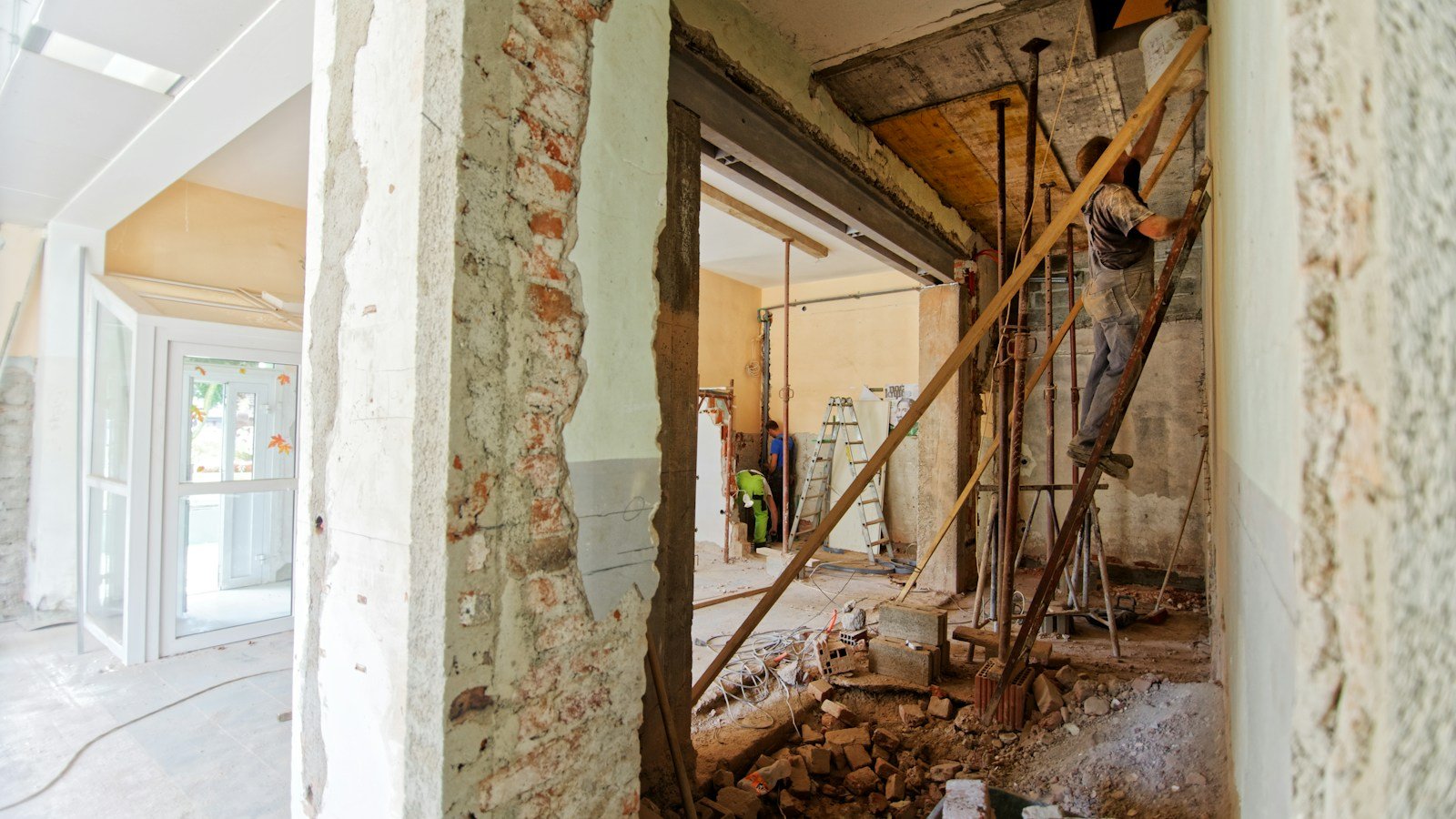
Why pre-1978 matters to a real estate investor
Older houses are common across Schuylkill County and other established Pennsylvania communities. Many investors are comfortable budgeting for cabinets, paint, flooring or roof repairs, but a property built before 1978 raises a separate question: could the renovation disturb lead-based paint? The U.S. Environmental Protection Agency’s Renovation, Repair and Painting program, commonly called RRP, applies to many paid projects that disturb painted surfaces in pre-1978 homes and child-occupied facilities. This is not simply a technicality for a contractor. Compliance, testing and appropriate work practices can affect the timeline and cost of an investment.
A fresh coat of paint is not the whole issue
A buyer may walk through an older house and see only peeling trim, deteriorated windows or doors that need replacement. Work that disturbs painted surfaces can release lead-contaminated dust, even if the project seems small. Sanding, scraping and demolition can create exposure that is not obvious to the naked eye. The right response is not to assume every old house is contaminated or that the risk can be removed by painting over everything. It is to determine the building age, identify the planned scope and ask an appropriately qualified professional whether the federal or state lead-safe requirements apply.
What EPA’s RRP program requires
EPA explains that covered renovation, repair and painting work for compensation in pre-1978 housing generally requires certified firms and trained renovators using lead-safe work practices. The rule has scope definitions, exemptions and recordkeeping requirements. The contractor should be able to explain which work is covered and the protections the team will use. A property owner’s contract should spell out who is responsible for compliance, permits, testing and cleanup. Owners should avoid hiring a contractor simply because the quote omits lead-safe procedures. An unrealistically low bid may exclude work the buyer will eventually need to fund.
Not all houses and projects have identical requirements
The federal rules include exceptions and specific thresholds, and a lead-free determination can sometimes change the analysis. A building’s construction date, occupancy, work type and party performing the work all matter. Owner-occupied properties, rentals and investor-held houses can present different practical responsibilities. EPA’s FAQs explain that its RRP requirements focus on firms and people paid to perform covered work, while separate laws and safety concerns may affect the property owner. Neither ‘I’m the investor’ nor ‘the house is vacant’ should be treated as an automatic universal exemption.
What to ask before you buy an older property
Start by confirming the year built from reliable records, while remembering that an online listing may be inaccurate. Identify rooms and surfaces likely to be disturbed: painted window frames, baseboards, stairs, trim, exterior siding and walls near planned electrical or plumbing changes. Ask the seller for any available lead-based paint reports, disclosures and renovation records. A general home inspection does not necessarily supply lead testing. Build a separate contingency for specialized assessments and changed work methods. An offer price that ignores these questions can leave too little room for other repairs or holding costs.
Renovation bids should be specific
When getting estimates, ask whether the contractor is EPA-certified where required and whether the quoted work includes containment, controlled demolition, protection of occupants, cleanup and final verification procedures appropriate to the project. Ask about disposal and any local requirements. Request a written scope rather than a verbal promise to ‘take care of the paint.’ Compare bids on comparable work. A cheap quote that skips necessary controls is not equivalent to a proposal that includes them. Document changes during the project so an investor can understand why the final bill differs from the initial budget.
Why windows and doors deserve special attention
Replacing windows or doors in an older structure can disturb painted material around frames, trim and adjacent walls. The visible window price is only part of the expense. Repairing surrounding finishes and performing any required lead-safe work can change the scope. Similarly, a plan to expose old wall cavities for plumbing or electrical repairs may disrupt multiple painted surfaces. Evaluate the likely chain of work before promising a fixed renovation budget. It is better to discover related costs while estimating than after cabinets, flooring and other new finishes have already been installed.
Rental houses and tenant communication
A vacant home being prepared for resale is not the only setting where lead-safe questions matter. Owners planning to rent older housing should consider how maintenance, turnover repairs and tenant occupancy affect safety, scheduling and documentation. Tenants should not be left living inside an uncontrolled dust-producing project. The correct notices and protections depend on the applicable laws and scope. Property managers should maintain records of contractor certifications and work performed. A successful rental strategy includes long-term maintenance planning, not only estimating the first month’s rent after repairs.
Budget beyond the renovation line item
Investors should add carrying costs while contractors are assessing the property and doing the work. Taxes, insurance, financing interest, utilities, security, and delays can continue even when the house produces no revenue. A budget can include three scenarios: expected work, likely additional preparation, and a high-cost situation discovered during demolition or testing. Avoid announcing a certain after-repair value without recent comparable sales and a realistic cost-to-complete estimate. Lead-safe compliance is one piece of a larger acquisition analysis that must include the exit strategy and enough cash reserves.
Before listing or refinancing
Keep the paperwork organized: reports, disclosures, contractor information, permits, invoices and any required cleanup or verification records. A later buyer, lender, appraiser or property manager may ask about the renovation history. Do not advertise a property as ‘lead-free’ unless an appropriate assessment supports that exact statement. If a material defect or known condition must be disclosed, follow the rules that apply to the specific transaction. Buyers and sellers should distinguish between removing lead-based paint, stabilizing deteriorated coatings, and following lead-safe practices during work; those phrases do not describe the same result.
The investment decision is still property-specific
Some older homes make attractive projects with adequate reserves and reliable contractors. Others have such extensive unknown conditions that even a low purchase price does not support a sound investment. A Pennsylvania owner deciding whether to repair, rent or sell as-is should compare all three scenarios carefully. A purchase offer should be based on a realistic scope and documented estimates rather than the assumption that every cosmetic project will be simple. The right time to research federal renovation rules is before a contractor cuts into old finishes, not after unexpected dust and costs appear.
Sources and further research
Review the EPA’s Renovation, Repair and Painting program and its RRP frequently asked questions. For information about evaluating an as-is sale or acquisition in Pennsylvania, visit VenturePeak Real Estate Solutions. This article is general information, not a lead inspection, legal opinion or contractor quote.