
PENNSYLVANIA PROPERTY OWNER GUIDES · OCTOBER 2026
The highest possible sale price is not always the best result. A smart decision compares how much money you keep, how long the process takes, and how much uncertainty you are willing to manage.
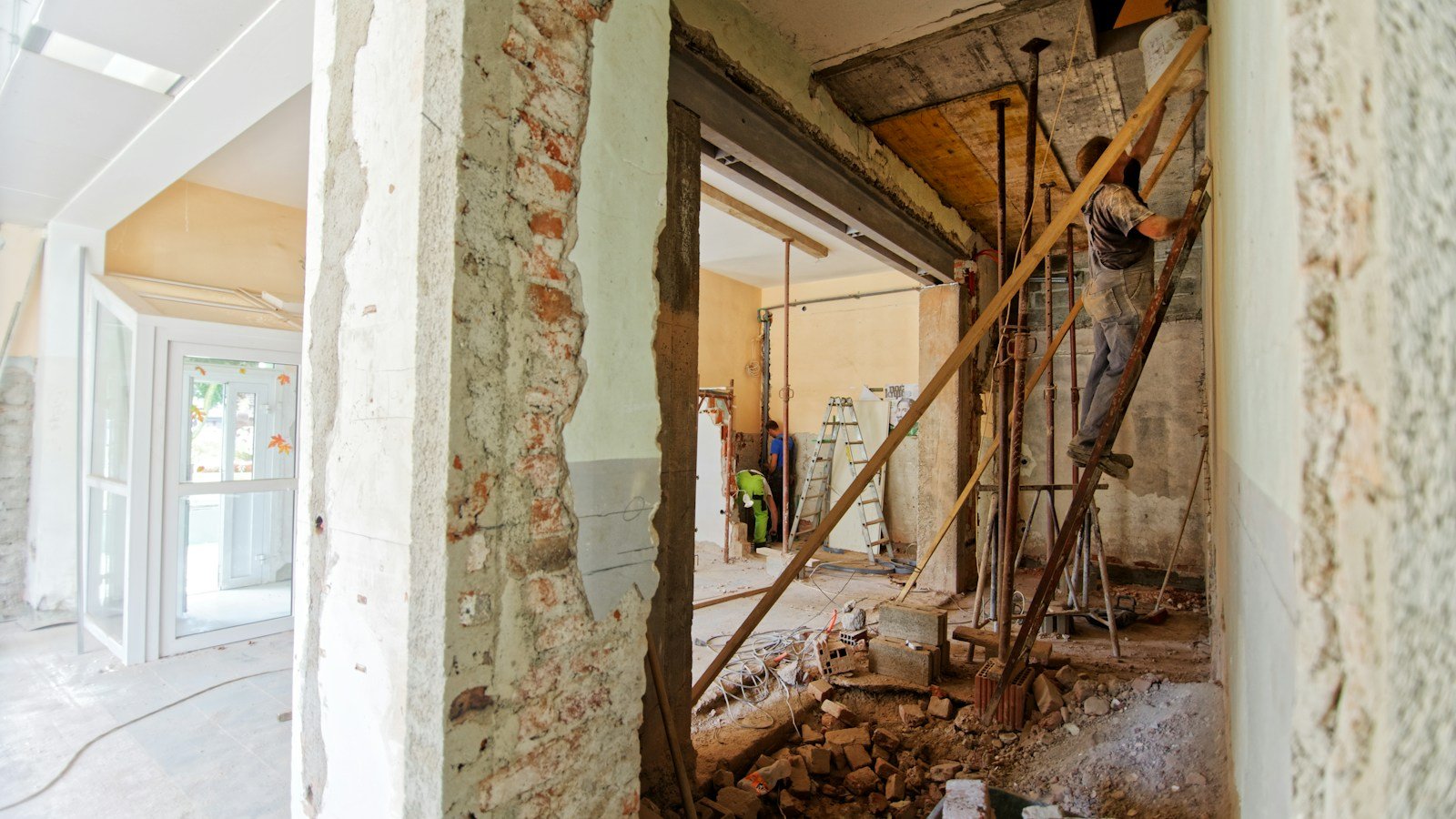
- The two very different numbers homeowners confuse
- Start with an honest repair scope
- Build a complete repair-and-hold budget
- An example comparison (illustrative, not an appraisal)
- Consider your personal time and stress
- What a direct as-is buyer actually evaluates
- A traditional listing may still be worth considering
- What about Pennsylvania seller disclosures?
- A five-question decision test
The two very different numbers homeowners confuse
The first number is a possible resale price after work is completed. The second is the net amount an owner may actually keep after renovations, taxes, insurance, utilities, professional fees, selling costs, and unexpected expenses. They are not interchangeable.
A property that could sell for $180,000 after a remodel is not necessarily a $180,000 opportunity for the owner today. The path to that price may require funds, time, permits, and considerable effort. Compare it with an achievable as-is result, not a perfect outcome on paper.
Start with an honest repair scope
Separate cosmetic items from repairs needed for safety, habitability, and major systems. Painting and fixtures are one category; roofs, structural repairs, moisture remediation, electrical panels, water heaters, or replacement heating systems are another.
Ask appropriately licensed or insured professionals for written scopes and estimates. When possible, request more than one quote for significant work. Explain what you expect to replace versus repair and whether permits or inspections might be required.
Build a complete repair-and-hold budget
A realistic renovation budget includes labor, materials, permits, debris removal, site cleanup, unforeseen damage, and a contingency. Holding costs include taxes, utilities, insurance, debt expenses if any, and maintaining the property during the project. Selling costs may include title, transfer taxes, brokerage services if used, concessions, and settlement expenses.
If you expect to sell a renovated home in four months, ask whether you could still carry it for eight. Projects often take longer because of contractor schedules, material availability, inspection requirements, and hidden conditions.
An example comparison (illustrative, not an appraisal)
Suppose a worn house might sell for $165,000 renovated. The owner estimates $38,000 in repairs, $7,000 of carrying costs, $12,000 in selling costs, and $5,000 as a contingency. The estimated net is $103,000 before other obligations. If an as-is offer were $98,000 with lower preparation and holding costs, the financial difference may be relatively narrow.
But if the repaired home could truly sell for $200,000 with the same budget, renovating might produce a significantly better result. The point is to compare realistic estimates with written assumptions. Avoid a deal that only works if everything goes perfectly.
Consider your personal time and stress
Renovations involve decisions, check-ins, invoices, change orders, cleaning, scheduling, and possible disputes. Some owners enjoy that process and have experienced contractors. Others live out of state, are handling an estate, caring for family, or simply want to move forward.
Your time has value even if it never appears on a settlement sheet. A slower sale might also affect other plans: relocating, paying debts, transferring an estate, or reducing monthly obligations.
What a direct as-is buyer actually evaluates
A serious investor looks at the property’s current condition, local comparable sales, renovation needs, occupancy, title and legal factors, expected holding costs, and market uncertainty. Those costs often lead to an offer below the possible retail price of a renovated home.
Ask whether the offer is firm or subject to inspection and whether the buyer intends to purchase directly. Review dates, contingencies, deposits, who pays closing costs, and your approximate net. You should understand the terms rather than feel rushed.
A traditional listing may still be worth considering
Even a rough property can attract owner-occupants or local contractors through the open market. In stronger price ranges and neighborhoods, more buyer exposure may increase the price. In other situations—major defects, a difficult title, unoccupied property, or little time to market—the costs and delays may outweigh the benefits.
Talk with a qualified real estate professional if you want to compare public listing exposure against a direct investor proposal. A direct purchaser should not pretend that every owner is better off avoiding the market.
What about Pennsylvania seller disclosures?
Selling a property as-is does not automatically eliminate duties to disclose known material defects under Pennsylvania law, when the statute applies. Sellers should answer applicable disclosure questions truthfully and avoid making claims they cannot support.
The appropriate documents, exceptions, and responsibilities depend on the transaction. A Pennsylvania attorney or qualified real estate professional can explain what applies to you. Don’t substitute general web advice for a review of your actual contract.
A five-question decision test
1. Can I reliably fund the renovation without creating other financial problems?
2. Are contractor estimates and schedules realistic?
3. Can I afford to carry the property longer than planned?
4. What will I actually net from each path?
5. Is the added potential return worth the risk and work?
If the answers point toward a direct sale, request a private property review. If they point toward renovating and listing, pursue that with a written plan. Keeping your options open is generally more valuable than deciding based on a single headline number.
Frequently asked questions
Is fixing up a house before selling always profitable? No. The increase in sale price may be less than the complete cost of renovations and waiting.
Can I receive an offer before getting contractor quotes? A buyer may provide an initial estimate, but it might change after reviewing condition and title.
Is selling as-is the same as selling without disclosures? No. Applicable disclosure laws and contract duties still matter.
What to do before hiring a contractor
Obtain a written scope of work, clear pricing assumptions, estimated start and finish dates, insurance information, and details about permits. Ask how change orders will be handled and whether payments are tied to completed milestones. For extensive work, consider independent inspection or project oversight. Take photographs of current conditions and retain invoices. Home improvement projects can generate disputes when expectations are only verbal. If you are unsure whether a renovation is worthwhile, do not make an irreversible commitment before obtaining a market opinion and comparing the expected resale value to the full project cost.
When a quick cleanup is worth doing
Not every improvement requires a major contractor. Removing loose trash, making the property safely accessible, replacing a broken light fixture, cutting overgrowth, or fixing an obvious leak can sometimes make it easier for buyers to assess the house. However, do not attempt hazardous electrical, structural, or environmental work without qualified help. Keep an eye on return: a small, inexpensive cleanup may be sensible, whereas a full kitchen renovation may exceed what the market will pay. The goal is to reduce uncertainty, not to create a showcase property at any cost.
Don’t forget transfer taxes, concessions, and settlement expenses
Pennsylvania imposes a state realty transfer tax, and local transfer taxes may apply. The parties’ contractual allocation of costs matters, as do title charges, possible municipal certificates, lender-related requirements, or concessions requested during negotiation. A buyer saying ‘no commissions’ does not automatically mean there are no other costs. Ask for an estimate of your net proceeds using your actual purchase agreement. Comparing proposals becomes much easier when the settlement costs, liens, and deadlines are shown on the same worksheet.
A good offer provides both price and clarity
An attractive headline price means less if a contract contains unclear contingencies, an unrealistic closing date, unusual assignment rights, or terms you don’t understand. A straightforward agreement should identify the buyer, property, agreed consideration, included personal property, deposits, inspections or waivers, deadlines, closing professional, and how expenses are handled. If someone proposes payments after closing, make sure the payment schedule, security, legal remedies, and risks are fully explained by independent professionals. The seller should not have to learn the substance of an agreement after signing.
The most useful next step is information, not commitment
If you are deciding between remodeling and selling, collect condition details, current tax information, available contractor estimates, and comparable property sales. A direct buyer can provide another data point, but you do not have to accept that option. VenturePeak invites owners to share a property address and brief description so we can decide whether to pursue a conversation. We will not promise that every property qualifies or that a particular outcome is guaranteed. Compare your choices, ask questions, and decide only after you understand the trade-offs.
Want to discuss your property’s options?
Tell VenturePeak about your property. We will review the information and contact you to discuss whether a direct purchase could be a fit. No obligation to accept an offer.
Official resources and further reading
Educational information only, not legal, financial, or tax advice. VenturePeak may purchase property as a principal. Seek independent qualified advice for your situation.