
A quick sale can be attractive when a home needs repairs, an inherited property sits vacant, or an owner wants to avoid a long preparation process. But the highest number on an offer sheet does not always produce the strongest outcome. Pennsylvania sellers should consider net proceeds, timing, contract contingencies, and the practical work still required before settlement.
This guide provides a clear framework for comparing direct purchases and traditional sale options. It is educational information rather than individualized legal, tax, or title advice.

Look beyond the headline number
A Pennsylvania homeowner comparing purchase offers needs a complete picture of proceeds, responsibilities, timing, and risk. Two buyers can make the same offer yet require very different concessions. One may ask for a credit after an inspection. Another may want the house emptied or request an extended closing. A practical comparison begins with a written offer and an estimated seller settlement statement, not a casual promise made during a walkthrough. The goal is to see what the owner is likely to receive and what work the owner must still do.
Start by listing every proposal side by side. Record the price, requested expenses, inspection provisions, deposit, financing details, target closing date, and possession arrangements. Mark anything that has not been confirmed in writing. A cash offer may be convenient, but convenience only has a financial value when the seller can identify what is actually being saved.
Calculate what remains after payoff and expenses
The cash a seller receives at closing is generally different from the purchase price. Outstanding mortgage principal, accrued interest, liens, property tax adjustments, agreed closing expenses, and negotiated credits can reduce the amount available. Ask for a mortgage payoff from the servicer instead of relying on the balance displayed in a banking app. A title or settlement professional can help identify the charges and adjustments affecting a particular transaction.
This is especially important with inherited homes, vacant property, tax arrears, or long-standing debts. Owners may not know whether an old mortgage was properly satisfied or whether a municipal claim remains outstanding. Do not guess at those figures. Obtain documents and review them before you treat apparent equity as spendable proceeds.
Ask for real proof of the buyer’s ability to close
The term cash buyer can describe several funding arrangements. Some purchasers use their own funds; others rely on investment partners or business accounts. Ask who will buy the home, who is obligated by the contract, and whether the buyer can demonstrate appropriate funds. Evidence should be reviewed sensibly and independently. A screenshot with a large number is not automatically sufficient proof that money is available for the proposed purchase.
Also examine whether the agreement depends on a lender, outside investor, appraisal, assignment, or resale. Contract conditions matter more than a label in a marketing message. The important issue is whether the proposed transaction can actually reach settlement under the written terms.
Define exactly what ‘as-is’ includes
As-is often means a buyer is willing to accept a home’s existing physical condition, but the phrase can leave important questions unanswered. Who removes abandoned furniture? Is the seller responsible for broom-clean delivery? What happens if utilities are off? Will the buyer accept an old roof, damaged flooring, and a garage full of discarded belongings, or only the cosmetic defects? These are different obligations with potentially significant expenses.
Ask for a detailed understanding of inspection rights, cleanup expectations, possession, and any agreed repairs. Sellers should not assume an as-is agreement eliminates applicable disclosure or contractual duties. If contract language is unclear, have it reviewed by an appropriate professional before signing.
Take a realistic approach to repairs
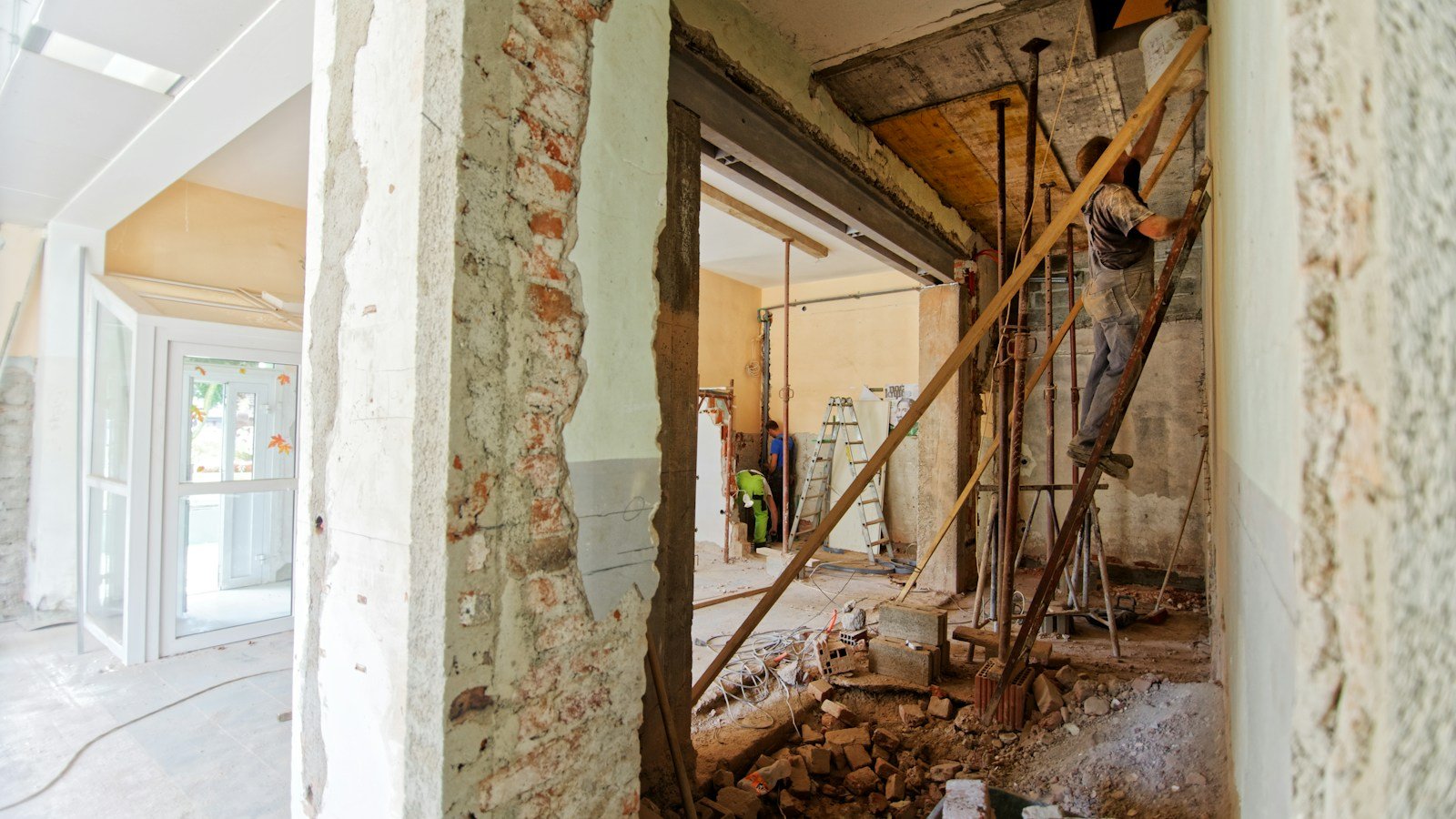
Owners sometimes overestimate what buyers will pay for improvements and underestimate the cost of completing them. A kitchen update may uncover wiring or plumbing problems, and a cleanup project may require paid disposal and several weekends of work. Ask for professional estimates when useful, then include the time and carrying costs associated with the project. Compare that investment against realistic sales possibilities, not just an optimistic renovated listing.
But avoiding all repairs is not always necessary either. Some buyers will purchase dated or imperfect properties at a price reflecting their condition. A local comparative market analysis helps show where limited improvements might improve the sale and where they are unlikely to be recovered.
Understand deposits and cancellation rights
The earnest money amount tells only part of the story. Read when the deposit must be delivered, where it will be held, and which contingencies permit a buyer to terminate. A deposited check is not necessarily money the seller can keep if the contract falls apart. Release may depend on the agreement, applicable procedures, or dispute resolution. Buyers and sellers should know who is holding the funds before a problem develops.
Pay close attention to inspection periods, title objections, financing-related provisions, and extension rights. A buyer promising a fast closing may still have broad opportunities to delay or cancel. A transaction is predictable only when the deadlines and consequences are understood.
Start title review before the last minute
Title problems can interfere with cash transactions just as they can with financed transactions. Estate ownership, judgments, unreleased mortgages, tax liens, boundary questions, and inaccurate names on recorded documents may all need attention. The specific implications depend on the property and documentation. Ask who will order title work, which settlement company is involved, and when you can expect the first title findings.
Owners should gather deeds, estate documents, mortgage statements, and prior closing records where available. If multiple heirs or owners are involved, do not assume an informal family agreement establishes signing authority. Early advice from a title professional or attorney may prevent an avoidable closing delay.
Assign a cost to extra months of ownership
Waiting for a higher price can be worthwhile, but an owner should calculate the cost of waiting. Taxes, insurance, utilities, heating, landscaping, security, and emergency repairs continue even when a house is empty. List actual monthly expenses and estimate how long each sales path may take. A vacant property may have special insurance needs, which deserve discussion with the insurance provider.
The calculation works both ways. A seller should not accept a deeply discounted price merely because the word fast appears in the advertisement. Compare expected proceeds after the likely carrying costs and obligations for each route. The best choice depends on both money and certainty.

Compare more than one sale strategy
Before committing, look at at least three credible options: selling directly to a buyer, listing the home in its current condition, or completing limited repairs and then listing. Each approach changes the likely audience, timeline, marketing effort, and expenses. Use relevant local comparable sales and realistic cost estimates. Avoid comparing an unrepaired house to a fully renovated property as though they were interchangeable.
A conventional sale may bring more competition, while a direct purchase may reduce some preparation and showing burdens. Neither is automatically right for every owner. The circumstances of an estate, rental property, vacant house, or owner-occupied home should drive the recommendation.
Protect yourself from pressure and unclear paperwork
Verify the purchasing entity and contact information. Identify the settlement provider before sending money or sensitive records, and independently confirm any wire instructions. Read the full agreement, including assignment language, fees, closing responsibilities, and possession terms. Be cautious when someone insists on a same-hour signature while discouraging ordinary review. A legitimate proposal can withstand reasonable questions.
Keep copies of signed documents and written changes. If a provision has a legal meaning you do not understand, seek independent legal advice. A useful offer comparison leaves you better informed and able to make a choice, not rushed into accepting terms you cannot explain.
A practical offer comparison worksheet
For each buyer, write down the gross price, estimated payoff amounts, closing charges, repair or cleanout commitments, deposit, financing source, inspection rights, planned closing date, and any extension or assignment provisions. Add one line describing how confident you feel about each unresolved detail, then gather documents before making a decision. Keep your comparison grounded in written terms rather than advertisements.
The National Association of REALTORS® preparing-to-sell guide provides additional consumer background. For a Pennsylvania home that may need an as-is solution, VenturePeak Real Estate Solutions can discuss the property’s circumstances without assuming that any one sales method is best.
Next step for property owners
Comparing cash offers on a Pennsylvania house? Share your property details and ask about available options, without an obligation to sell.